Why Retail Intelligence Is Essential in E-Commerce
Find out what Retail Intelligence is, how it works and why it is essential for digital commerce.

Retail has become a hyper-fragmented battlefield. Brands no longer compete on a single front. Instead, they're navigating a landscape where 73% of consumers move fluidly across multiple channels before purchasing, touching an average of six different points along the way. Traditional strategies built on intuition and historical patterns simply can't keep pace with this level of complexity.
The result is a critical visibility problem, which is both inconvenient and expensive. Poor shelf visibility contributes to a staggering $1.2 trillion in annual losses from stockouts alone. Perhaps more frustrating: 44% of retail media spend goes to waste, driving traffic to product pages that are either poorly optimised or out of stock . Investment without visibility is just guesswork.
But it’s not all bad news. This is where Retail Intelligence comes in. Rather than relying on assumptions or reacting to problems after they've cost you sales, Retail Intelligence provides the real-time data foundation needed to make informed decisions at every touchpoint. In this guide, we'll explore what Retail Intelligence actually means, how it fits within Digital Shelf Analytics, and why leading brands are using it to reclaim control of their digital presence.
What Is Retail Intelligence?
Defining Retail Intelligence starts with understanding what separates it from traditional analytics. Retail Intelligence is the systematic collection, integration, and analysis of retail data to understand shelf performance, customer behaviour, and market trends. The goal is straightforward: turn that data into decisions you can act on.
In practice, this means answering questions that directly affect your revenue. Where are your products out of stock right now? How do your prices stack up against competitors at this moment? Which promotional strategies are driving sales, and which are burning through budget?
Traditional retail analytics tells you what happened last quarter. Retail Intelligence tells you what's happening right now and what you should do about it. The difference matters because the digital shelf moves fast. Digital shelf data shows that pricing can shift within hours, and out-of-stock listings can bleed sales for days before anyone notices.
Modern platforms use automation and AI to monitor these shifts at scale, surfacing the signals that matter most. The aim is providing the visibility needed to make better decisions faster.
Core Components of Retail Intelligence
A functioning Retail Intelligence system rests on four pillars.
- First is data collection from sources like point-of-sale systems, online shops, marketplaces, in-store sensors, and traffic counters.
- Second is integration, which combines your internal sales and inventory data with external market signals.
- Third is analytics and visualisation, where dashboards, reports, and automated alerts surface patterns and anomalies.
- Fourth is decision support, which connects insights to actual execution.
Objectives of Retail Intelligence
The purpose of Retail Intelligence centres on measurable business outcomes. This includes improving how you manage assortment decisions, price positioning, and promotional effectiveness. The broader goals are increasing revenue and margins whilst maintaining product availability and customer satisfaction across channels.
Retail Intelligence vs. Retail Analytics vs. Digital Shelf Analytics
These terms often get used interchangeably, but the distinctions matter.
Retail Analytics is the broadest umbrella. It covers any analysis of retail data across channels. So this could be sales trends, customer segments, inventory turnover and store performance. It's retrospective by nature, focused on understanding what happened and why.
Retail Intelligence narrows the focus. It prioritises real-time insights and decision-making at the shelf, whether physical or digital. The emphasis shifts from historical reporting to actionable intelligence you can use today. This includes monitoring competitor pricing as it changes, tracking availability in real time, and responding to market shifts before they erode your position.
Digital Shelf Analytics zeroes in on the digital shelf specifically. This is where e-commerce data analytics becomes critical. Digital Shelf Analytics examines product visibility in search results, content quality across retailer sites, real-time availability signals, and how your pricing and promotions compare to competitors.
Digital Shelf Analytics functions as a sub-discipline of Retail Intelligence. Retail Intelligence takes the core metrics from the digital shelf and enriches them with broader omnichannel retail data and shopper insights. You're not just tracking whether your product is in stock on Amazon; you're understanding how that availability affects sales across all channels, how it compares to in-store performance, and what actions will close the gap.
Retail Intelligence Data Sources in a Digital Shelf Context
Retail Intelligence draws from three distinct data streams, and the value comes from connecting them.
Online data forms the foundation for digital shelf monitoring. This includes pricing and promotional activity across retailers, product content like titles and images, availability and stock signals, and search rankings that determine your share of shelf. These data points shift constantly, which is why real-time collection matters.
Offline data captures what's happening in physical stores. Traffic patterns, dwell time near displays, shelf space allocation, and out-of-stock instances all feed into a complete picture of retail performance. For brands operating across channels, understanding how in-store behaviour connects to online trends is essential.
Internal data provides the business context. Your own sales figures, revenue by channel, return rates, trade spend, and campaign performance create the baseline against which external market data makes sense. Without this internal foundation, you're analysing the market in a vacuum.
The holistic nature of Retail Intelligence comes from integrating all three. Only when you can see that a competitor price drop online correlates with declining foot traffic in-store, or that poor product content is suppressing search rankings whilst your trade spend increases, does true decision intelligence emerge.
Key Retail Intelligence Use Cases
Understanding the data sources is one thing. Seeing how they work in practice is another. The following use cases show how brands and retailers apply Retail Intelligence to solve specific problems at the digital shelf. Each follows a similar pattern: a business challenge, the data needed to address it, and the tangible outcome that results.
Price & Promotion Monitoring Across Retailers
Your product is priced competitively on one retailer but undercut on three others, and you don't know until sales drop. Real-time pricing data across retailers reveals these gaps as they happen. When Competitor A drops prices 15% on a key SKU, you can adjust your own pricing or shift promotional spend to protect margin. The result: you maintain market share without eroding profitability.
Learn more about Retail Price Intelligence
Availability & Out-of-Stock Prevention
Products go out of stock online, but by the time you notice, you've lost a week of sales. Availability monitoring tracks stock status across marketplaces and retailer sites in real time. When a high-volume SKU shows out-of-stock signals, you get an alert within hours. You work with the retailer to expedite replenishment or shift marketing budget to in-stock alternatives, preventing lost revenue before it compounds.
Learn more about Product Availability Analysis
Content & Listing Optimisation at the Digital Shelf
Your product listings underperform, but you're not sure why. Digital shelf data shows that competitor listings have richer content, better images, and more complete attribute fields. Once you know where your content falls short, you can update titles, add lifestyle images, and fill missing attributes. Conversion rates improve, and search visibility strengthens.
Learn more about Product Content Analysis
Shelf & Visibility Optimisation (Online and Offline)
You're investing in trade promotions, but visibility isn't translating to sales. Combining online search ranking data with offline shelf placement metrics reveals the disconnect. Your products rank well online but have poor in-store placement during the promotional window. Renegotiating shelf positioning with the retailer to align both channels leads to stronger sales lift in the next campaign cycle.
Learn more about Visibility & Ranking Analysis
Omnichannel Insights & Customer Journey Analysis
Customers research online but buy in-store, or vice versa, and you can't connect the dots. Omnichannel retail data tracks touchpoints across digital and physical environments. When the data shows that 60% of your online browsers convert in-store within three days, you can adjust attribution models and shift budget to support the full journey. Marketing ROI improves because you're measuring what actually drives conversions.
AI-Driven Forecasting & Recommendations
Demand spikes catch you off guard, leading to stockouts or overstock situations. AI analyses historical sales patterns, seasonality, external events, and competitor behaviour to predict demand shifts. When the system flags an upcoming surge two weeks out based on trend signals, you can adjust inventory orders and promotional timing accordingly. The result is smoother operations and fewer missed opportunities.

Benefits of Retail Intelligence for Brands and Retailers
The value of Retail Intelligence depends on where you sit in the supply chain. Brands gain leverage in retailer negotiations, retailers improve operational efficiency, and both benefit from a shared foundation of accurate data.
For Brands:
- Stronger retailer negotiations – When you walk into a quarterly business review with real-time data on pricing, availability, and competitor activity, you're negotiating from a position of strength rather than assumption.
- Improved online visibility and market share – Understanding how your products rank in search, how content performs, and where visibility gaps exist allows you to optimise the digital shelf systematically.
- Faster competitive response – Real-time monitoring means you can react to competitor price drops, promotional changes, or new product launches within hours instead of weeks.
For Retailers:
- Optimised assortments – Data on what's selling, what's sitting on the shelf, and how customer preferences shift helps you stock the right products in the right quantities.
- Fewer out-of-stocks – Proactive availability monitoring reduces the revenue lost to stockouts and keeps customers from switching to competitors.
- Higher conversion and satisfaction – When products are available, priced competitively, and presented with quality content, conversion rates improve and customers leave satisfied.
For Both:
- Shared data foundation – Brands and retailers working from the same data set eliminate finger-pointing and create more productive partnerships.
- More effective promotions and launches – Coordinated campaigns backed by real-time performance data drive better results than gut-feel planning.
How Companies Implement Retail Intelligence in Practice
Start with the specific outcomes you need to achieve. Are you focused on improving search visibility? Reducing out-of-stock rates? Maintaining competitive pricing without eroding margin? Your goals determine which KPIs matter most, whether that's share of shelf, conversion rate, price index relative to competitors, or availability across key retailers. Without clear metrics, you're collecting data without direction.
Most companies already have retail data scattered across departments. Sales figures live in one system, promotional performance in another, and competitive intelligence in spreadsheets. Begin by identifying what data you already collect and where the critical gaps are. Then close those gaps with Digital Shelf and Retail Intelligence solutions that bring internal and external data into a unified view.
When evaluating platforms, several factors determine whether a Retail Intelligence solution will deliver value. Data coverage is fundamental. Does it monitor the retailers and countries where you compete? Data freshness matters because yesterday's pricing information is already outdated. Look for quality dashboards that surface insights clearly, integrations with your existing tech stack, AI capabilities that automate monitoring and predictions, and a provider that offers scalability as your business grows plus support when you need it.
The best platform is worthless if your teams don't use it. Training is essential, but so is building standardised workflows. Create dashboards tailored to different roles; category managers need different views than ecommerce teams. Develop playbooks that define how teams should respond to specific alerts, whether that's a stockout, a competitor price drop, or a visibility issue. This turns data into routine action rather than ad-hoc reaction.
Real-World Scenarios
Sometimes the best way to understand how Retail Intelligence works is to see it in action. The examples below aren't theoretical; they're based on how leading brands have applied these principles to solve tangible problems. Pay attention to the pattern: each started with a specific visibility gap, deployed targeted data collection, and achieved measurable results. The scale differs, but the fundamental approach remains consistent.
A global FMCG brand operating across European marketplaces struggled to maintain brand consistency at scale. With products listed on dozens of retailer sites, maintaining their brand image and content standards across all channels was nearly impossible without automation. They implemented digital shelf analytics to monitor content quality, search rankings, and Buy Box performance in real time. The platform allowed them to spot when listings didn't meet their brand guidelines and fix issues before they affected sales. They also tracked competitor activity across markets, ensuring they maintained their positioning. The result was stronger brand consistency and improved competitive positioning across Europe.
A luxury beauty brand faced a different problem: fragmented data across markets made it impossible to see the full picture. They had low visibility compared to competitors and couldn't prove their value to retailers. After deploying a Retail Intelligence solution, the numbers told a clear story. They achieved $5 million in incremental revenue within the first year by using hard data in retailer negotiations, tightened pricing compliance across channels, and climbed two positions in market share rankings.
A personal care brand selling through German drugstore chains (dm, Rossmann, and Müller) kept running into the same issue during promotions. They'd either run out of stock during peak demand or end up with too much inventory sitting around afterwards. Real-time Retail Intelligence changed that. By monitoring availability and promotional compliance across all three retailers, they cut promotional inventory by 30% and reduced stockouts during campaigns by 10%. The result was better ROI on every promotion they ran.
Retail Intelligence FAQ
Retail intelligence is the broad category covering all market and competitor data. Digital shelf analytics is a specific subset focused strictly on how your products appear and perform on e-commerce sites.
AI handles the heavy lifting. It analyzes millions of data points instantly to spot trends, predict stockouts, and recommend price changes that are impossible to track manually.
You get visibility into performance gaps the moment you log in. Most brands see a measurable impact on sales and efficiency within the first 30 to 90 days.
No. A modern Retail Intelligence solution is built for business users. It translates complex numbers into clear, actionable insights that your sales and marketing teams can use immediately.
Digital shelf data is the most critical. This includes real-time pricing, inventory levels, search rankings, and customer reviews across all your retail channels.
It is vital for any brand selling online. Retail Intelligence allows mid-sized companies to compete with industry giants by automating data collection and strategy refinement.
It acts as the engine. It provides the evidence you need to adjust your strategy, ensuring your products are always in stock, priced correctly, and easy for customers to find.
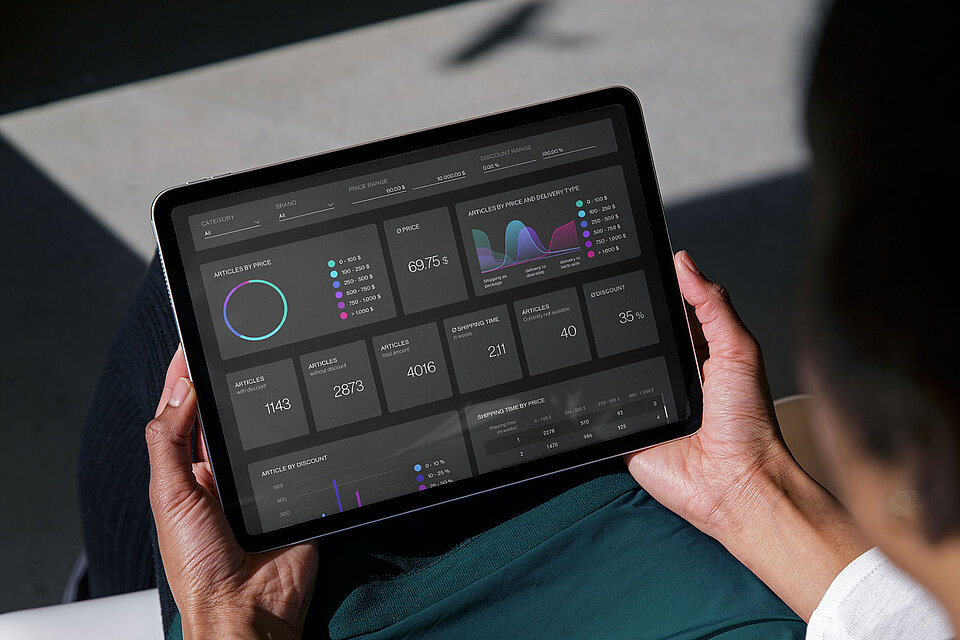
Ready to gain control of your digital shelf? XPLN's Digital Shelf Analytics solution provide the real-time visibility and actionable insights you need to compete effectively.
Request a demo to see how brands are using data-driven decisions to increase revenue and market share.